
If you ask most homeowners what adds the most personality to a house, they’ll usually name big things — flooring, kitchens, or paint colors. But here’s the funny part: According to the National Association of Realtors, custom trim and built-ins can return up to 147% of their cost when done right (NAR Remodeling Impact Report). That’s huge. And if you’ve been thinking about carpentry home upgrades, especially with help from a seasoned carpenter in Princeton, you’re already heading in the right direction. Good carpentry can lift a home from “nice” to “wow” without tearing the whole place apart.
What Are Carpentry Home Upgrades?
Carpentry home upgrades are customized woodwork improvements that add beauty, strength, or function to your home. Think built-in shelves, new trim, custom doors, and creative storage. They’re the projects that turn a basic room into something special — the parts visitors notice but can’t always explain.
To keep it simple: carpentry upgrades = practical improvements + personality + long-term value.
The Real Problem Homeowners Face (And Why Carpentry Helps)
Most homeowners deal with annoying issues like:
Wobbly doors
Drafty windows
Empty corners with zero purpose
Awkward storage
Rooms that look “unfinished”
The usual fixes?
Store-bought furniture. Cookie-cutter shelving. DIY repairs that… let’s be honest… don’t always hold up.
And here’s where carpentry shines: custom fits, not “almost fits.” A window frame that doesn’t leak. A door that actually closes without wrestling it. Storage that uses the full space — not just the easy part.
From years of watching people choose cheap, fast solutions, I can say this: pre-made fixes rarely hit the mark. Custom carpentry usually wins because it’s built for your home.
How a Skilled Handyman Actually Solves These Issues
Most home problems look simple on the surface — a door that won’t close, a window that lets in cold air, trim that keeps popping off. But the funny thing is, these issues usually have deeper causes hiding underneath. And this is exactly where a good handyman shows their real value.
A skilled handyman doesn’t just walk in with a toolbox and guess. They slow down. They diagnose. They look at the angles, the gaps, the weak spots, and the things homeowners don’t always notice. The goal isn’t to patch the problem — it’s to fix the root of it so it doesn’t come back.
Here’s what that process usually looks like:
1. Fixing Sticking or Hard-to-Close Doors
Most people sand the edge and hope for the best, but that rarely solves anything.
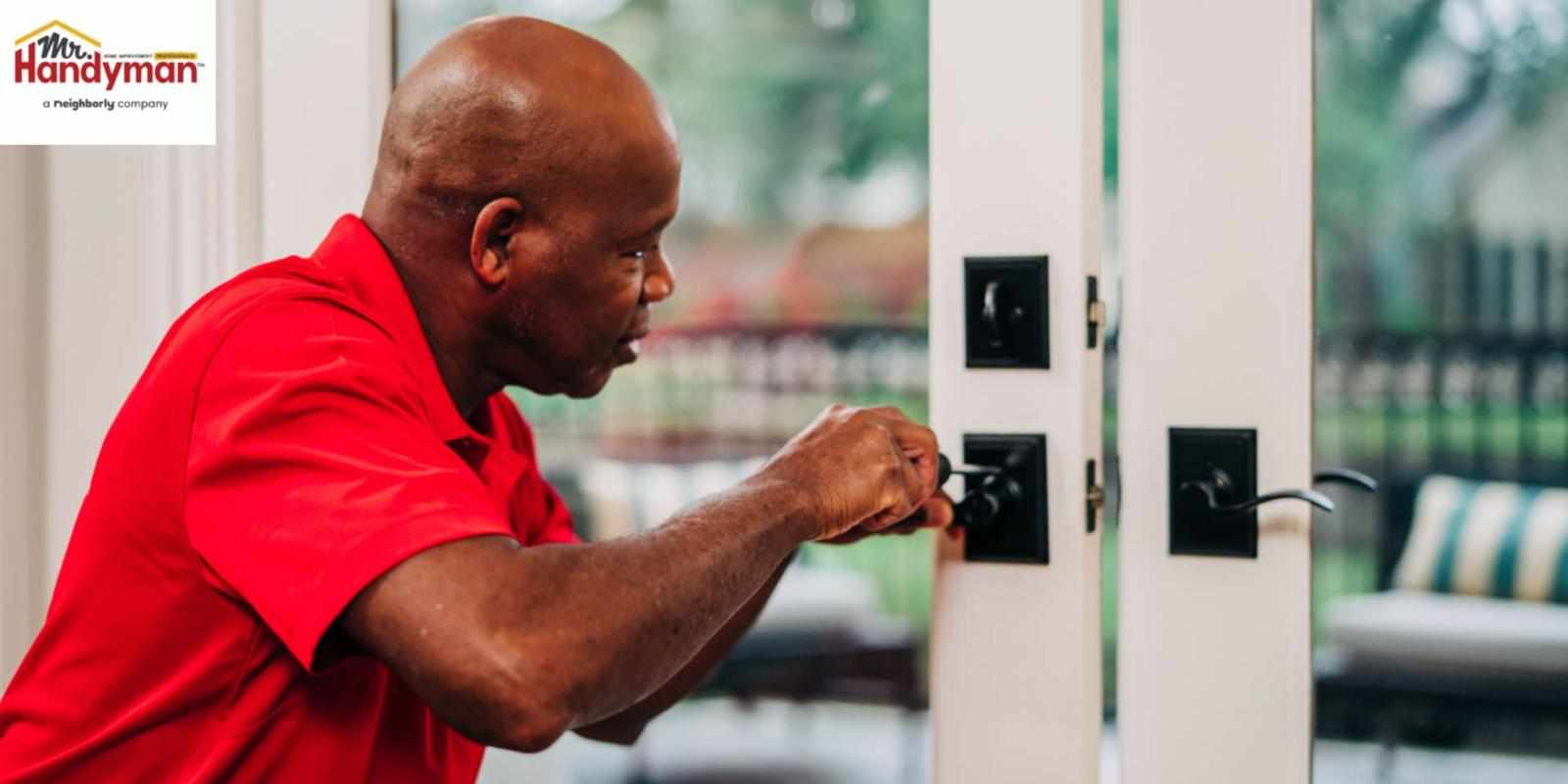
A good handyman checks the hinges, the settling of the house, and the alignment of the frame. If needed, they adjust the hinges, tighten the screws, reinforce the strike plate, or reset the entire frame. The result? A door that closes smoothly — not a temporary fix that comes back next season.
2. Repairing Drafty or Leaky Windows
A draft isn’t just uncomfortable — it’s money slipping out your window.
A handyman inspects the frame, sealant, weatherstripping, and gaps. They repair or replace the damaged pieces, tighten the fit, and reseal everything properly. A lot of DIY window fixes fail because they only replace the caulk. A handyman adjusts the entire structure, and that’s why the fix lasts.
3. Realigning Crooked or Loose Frames
A misaligned frame can throw off a whole room.
Instead of covering the gaps with caulk or paint (the quick fix many contractors use), a handyman straightens the frame, reinforces weak points, and ensures everything lines up correctly. This is the difference between “looks okay today” and “still solid in ten years.”
4. Fixing Broken Trim, Baseboards, and Molding
Trim problems look small but can make a room feel unfinished.
A handyman doesn’t just nail the loose piece back. They remove the damaged area, match the profile, level the joints, secure it properly, and repaint so it looks original. The good ones take the time to make the repair invisible.
5. Building Storage That Fits the Weird Spots in Your Home
Every house has an odd gap, a slanted wall, or a wasted corner.
While store-bought shelves never fit quite right, a handyman measures the space — every inch of it — and builds something that fits the home instead of forcing the home to fit the furniture. This is where custom carpentry really shines.
5 Custom Carpentry Upgrades That Add Style and Value to Your Home
1. Built-In Shelving and Storage
Built-ins are probably my top pick. They transform any room instantly.
Why do built-ins work so well?
Because they use space the way mass-produced furniture never can. Corners, alcoves, under stairs — these “wasted” areas become storage.
Where do they add the most value?
Living room
Home office
Mudroom
Closets
Bedrooms (especially kids’ rooms)
What often fails?
Flat-pack shelving. It sags. It warps. It looks temporary.
My personal judgment
If you want one upgrade that boosts both style and appraisal value, this is the one. Built-ins age gracefully and always look intentional.
2. Custom Trim, Crown Molding & Wainscoting
Trim is like eyeliner for your home. You don’t always notice it directly, but the room feels “finished” because of it.
Why trim upgrades matter
These add character without major construction. Even basic homes feel richer with:
Crown molding
Baseboard upgrades
Door and window casings
Picture rails
Wainscoting
Little truth:
Cheap trim looks cheap. It chips and cracks. Custom carpentry trim — with real wood and real craftsmanship — lasts decades.
Pro Tip:
If your rooms feel “flat,” adding crown molding makes the ceiling feel taller. Even small accents can completely change how a space feels.
3. Custom Interior Doors
If you’ve ever lived with hollow-core doors, you know the sound they make: tinny, flimsy, hollow. They’re basically cardboard pretending to be wood.
Why custom doors are a smart upgrade
They:
Reduce noise
Add security
Improve insulation
Look 10x richer
Increase resale value
Common problem:
Homeowners replace one door and stop. But mismatched doors? They stand out — and not in a good way.
What works best?
A full home door refresh. It creates a clean, consistent, high-end look you notice instantly.
4. Window Seat Benches
Window benches are one of those upgrades people see in magazines and think, “I want that… someday.” But they’re not just pretty — they’re practical.
Why window seats are worth it
They add storage
They create a reading nook
They brighten a room
They make a home feel cozier
Where they work best
Bay windows
Bedrooms
Living rooms
Stair landing spaces
What fails?
Buying a pre-made bench and pushing it under a window. It never lines up just right.
My take:
If you want charm without a huge project, window seats are one of the fastest ways to make your home feel warm and “custom-built.”
5. Custom Kitchen Add-Ons
You don’t need a full renovation to upgrade a kitchen. In fact, I think a lot of kitchen renovations are overpriced and overhyped. Small carpentry upgrades deliver more impact per dollar.
Smart kitchen carpentry upgrades
Floating shelves
Pull-out drawers
Upgraded cabinet doors
Custom pantry organizers
Soft-close hardware installations
Why they work
They improve how you use the kitchen — not just how it looks.
Common fails
Pressboard cabinets. DIY drawer slides. Cheap hinges. These are the first things to break.
Best advice:
Invest in strong materials and solid craftsmanship. Kitchens need durability more than any other space.
Comparison Table: Custom Carpentry vs. Store-Bought Solutions

Why this matters:
Most people think store-bought is “cheaper.” But when you add the cost of replacements, frustration, and lost space… custom carpentry almost always wins long-term.
Frequently Asked Questions
Is custom carpentry worth the investment?
Yes. It adds beauty, function, and resale value. High-quality woodwork outlasts mass-produced pieces.
How long do carpentry home upgrades last?
If built with strong materials, often decades with minimal maintenance.
What rooms benefit the most from carpentry upgrades?
Living rooms, bedrooms, kitchens, mudrooms, and home offices.
Are carpentry upgrades good for small homes?
Absolutely — small homes gain the most because custom carpentry uses space efficiently.
Conclusion: The Right Upgrades Make Your Home Feel Complete
The best carpentry home upgrades don’t scream for attention — they blend in so well that your home simply feels better, richer, and more “you.” Whether you need a simple repair or a full custom build, choosing skilled work matters more than the size of the project.
If you want upgrades that feel custom-made — because they are — reach out to the carpentry pros at Mr. Handyman of Princeton. They know how to fix the problems, build the upgrades, and make your home feel finished in the best way.
Key Takeaways
Custom carpentry adds long-term value and instant style.
Built-ins, trim, and kitchen add-ons offer the best ROI.
Cheap pre-made solutions fail more often than people expect.
Good carpentry solves both style and functional issues.
Professional craftsmanship matters — a lot.
Helpful Sources
National Association of Realtors — Remodeling Impact Report
Energy.gov — Home improvement and energy efficiency data
Wikipedia: Carpentry Basics
HGTV: Home renovation trends
👉 Read More Related Blogs:
Why Won’t My Door Latch Properly? Common Causes & Fixes
7 Things to Know Before You Book Pressure Washing in Princeton



Write a comment ...