When it comes to keeping your home safe, functional, and visually appealing, preventive maintenance is key. Many homeowners only seek handyman services when something breaks, but routine upkeep can save significant time, money, and stress. From plumbing checks to seasonal upkeep, small preventive steps protect your biggest investment—your home. For example, a professional door repair in Princeton performed early can stop a minor hinge problem from becoming a costly replacement later. Preventive maintenance isn’t just about fixing issues; it’s about avoiding them altogether.
What Is Preventive Maintenance in Handyman Work?
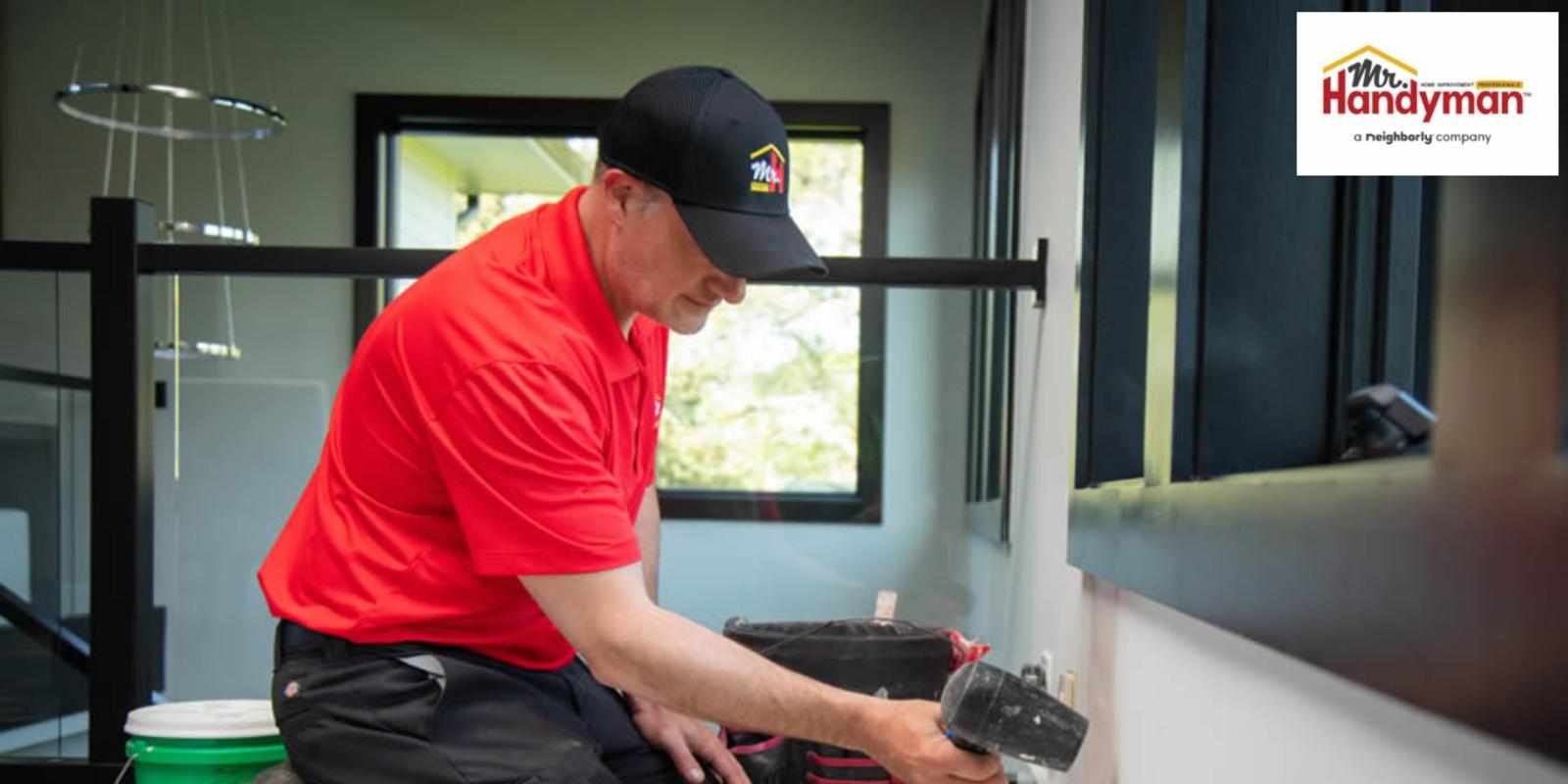
Preventive maintenance refers to proactive measures taken by a handyman to ensure a home’s systems, fixtures, and structures remain in good condition. Unlike reactive repairs that deal with breakdowns after they occur, preventive maintenance focuses on inspections, adjustments, cleaning, and minor fixes to extend the lifespan of your property’s components.
Examples of preventive handyman tasks include:
Tightening loose cabinet handles before they break.
Cleaning gutters to prevent roof damage.
Caulking bathroom tiles to stop water leaks.
Lubricating door hinges for smoother function.
Sealing cracks in driveways before they widen.
This proactive approach is designed to identify issues early and implement solutions before costly damage arises.
Why Preventive Maintenance Matters in Everyday Handyman Work
1. Saves Money in the Long Run
Small, inexpensive repairs done on time prevent larger and costlier replacements later. A handyman tightening a loose tile today is much cheaper than replacing an entire floor later.
2. Improves Safety at Home
Loose steps, faulty doors, or worn-out electrical fixtures can pose serious risks. Preventive handyman work ensures such hazards are corrected before accidents happen.
3. Enhances Property Value
Well-maintained homes have stronger resale value. Preventive maintenance keeps exteriors, interiors, and mechanical systems looking and functioning like new.
4. Reduces Stress and Emergencies
No one wants a broken water heater in winter or a jammed door during a busy day. Preventive handyman work reduces the chances of sudden failures.
5. Extends Lifespan of Home Features
From hardwood floors to kitchen cabinets, preventive care helps your property’s materials and systems last longer with minimal wear.
Preventive Maintenance in Key Areas of the Home
Doors and Windows
Doors and windows are high-traffic components in any household. Preventive maintenance here includes:
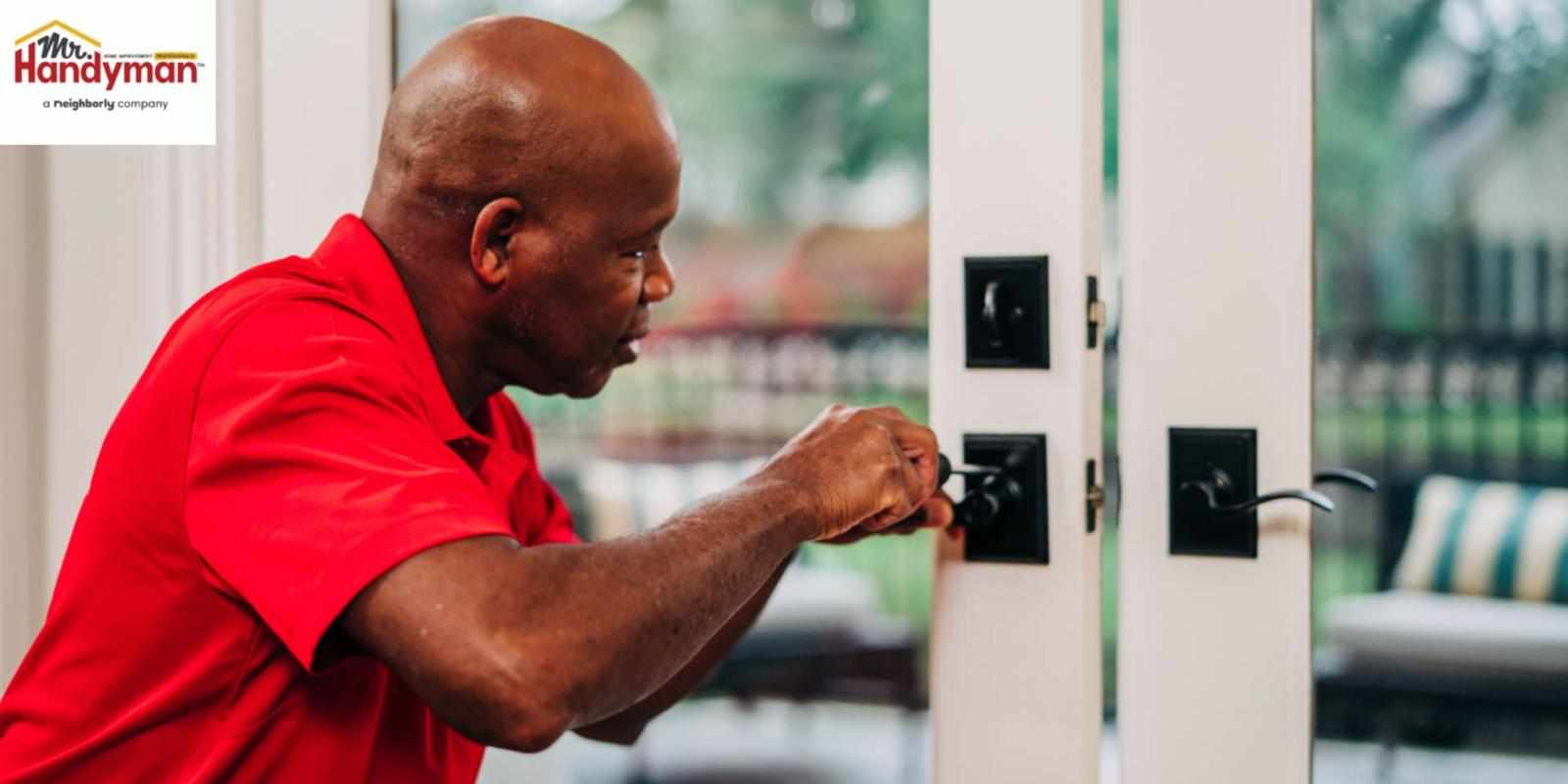
Lubricating hinges.
Sealing gaps to improve insulation.
Repairing minor frame cracks.
Replacing worn weather stripping.
Skipping these steps could lead to drafts, energy loss, or a complete door repair in Princeton, which is more expensive than minor maintenance.
Flooring
Floors take constant pressure from foot traffic, furniture, and spills. Preventive handyman care includes:
Sealing wooden floors to prevent water damage.
Replacing cracked tiles.
Tightening loose boards.
A handyman performing regular floor repair in Princeton ensures your home remains safe and aesthetically pleasing.
Outdoor Spaces
Your driveway, patio, and fencing are exposed to the elements. Preventive steps such as pressure washing in Princeton, sealing decks, or repainting fences extend outdoor durability and curb appeal.
Plumbing and Fixtures
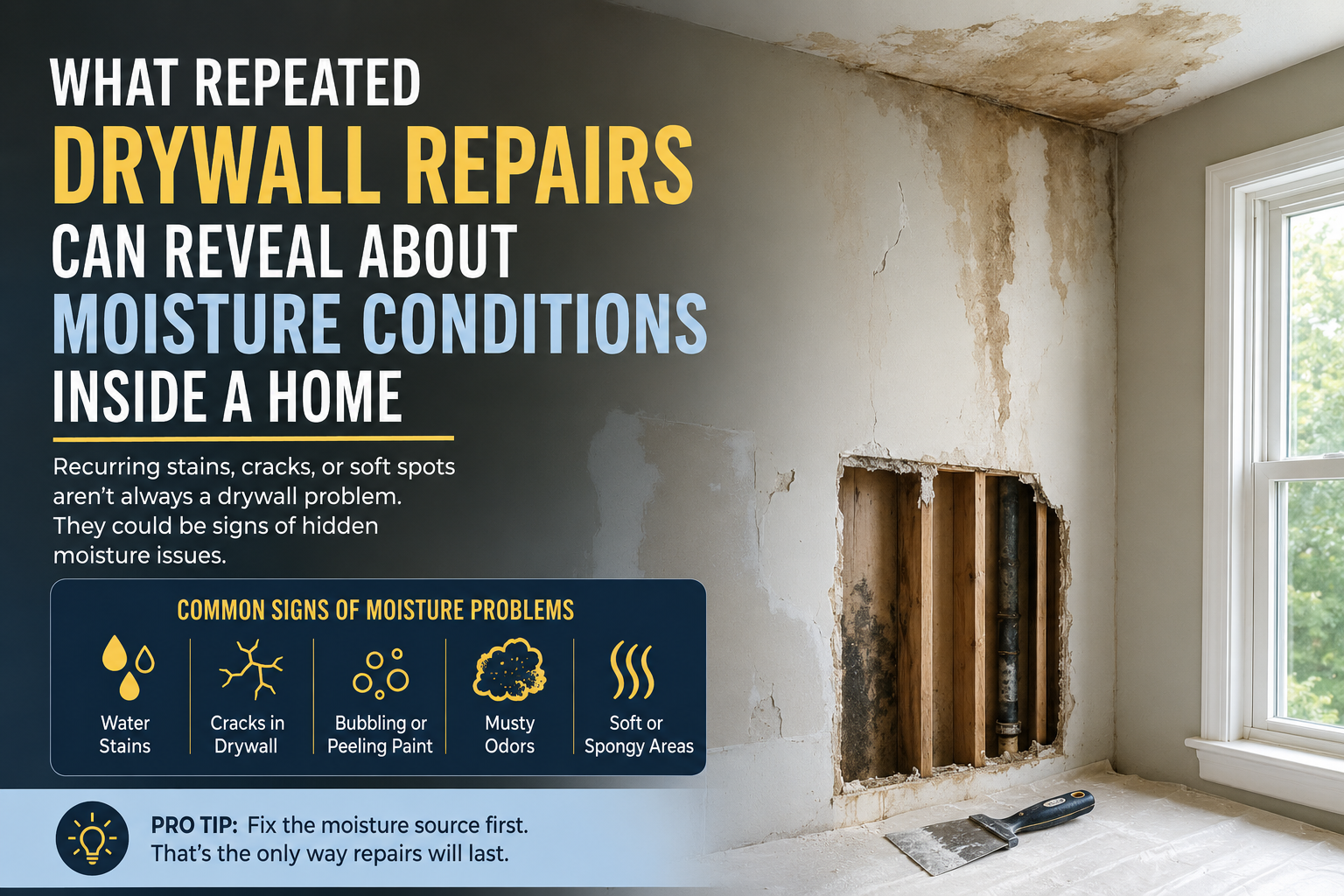
Dripping faucets, leaking pipes, and clogged drains start as small issues but can escalate into costly plumbing disasters. A handyman’s preventive check identifies leaks early and prevents water damage.
Electrical Components
Loose outlets, flickering lights, and worn wiring need attention before they cause hazards. Preventive handyman inspections improve safety and efficiency.
The Cost of Ignoring Preventive Maintenance
Many homeowners underestimate the damage caused by skipping regular handyman maintenance. Here’s what neglect can lead to:
Escalating Costs: A small leak ignored can rot walls, costing thousands in structural repairs.
Reduced Efficiency: Appliances and fixtures degrade faster without regular care.
Safety Hazards: Tripping hazards, electrical risks, or broken doors compromise safety.
Decreased Curb Appeal: Neglected exteriors quickly lose their charm and value.
In short, preventive maintenance isn’t optional—it’s essential.
Case Study: Preventive Handyman Work in Princeton
Background:
A Princeton homeowner noticed a squeaky front door and minor cracks in their wooden deck but didn’t consider them urgent. Months later, the door refused to close properly, compromising home security, while the deck developed widespread rot due to trapped moisture.
Solution:
They contacted Mr. Handyman of Princeton. The handyman team provided a door repair in Princeton, restoring smooth function, and replaced damaged deck planks. They also scheduled preventive maintenance visits for seasonal checks.
Results:
Saved the homeowner from a full door replacement.
Extended the deck’s lifespan by five years.
Reduced overall maintenance costs by 40%.
Lesson:
Early preventive maintenance is far more cost-effective than waiting until issues spiral into major problems.
How Often Should Preventive Handyman Maintenance Be Done?
Monthly: Check faucets, door hinges, and safety devices like smoke alarms.
Seasonally: Inspect roofs, gutters, outdoor decks, and windows.
Annually: Schedule a handyman inspection to identify hidden issues and ensure your home systems are in top condition.
FAQs
1. What is the difference between preventive and reactive maintenance?
Preventive maintenance stops problems before they start, while reactive maintenance deals with repairs after damage occurs.
2. How does preventive maintenance save money?
By fixing small issues early, it prevents costly replacements and major repairs.
3. Can a handyman perform preventive maintenance on electrical systems?
Yes, but only for minor electrical tasks. Complex electrical work should be handled by licensed electricians.
4. Is preventive maintenance necessary for new homes?
Absolutely. Even new homes need preventive care to ensure long-term durability and safety.
5. Which handyman tasks are best for preventive maintenance?
Door and window inspections, caulking, pressure washing, floor repair, gutter cleaning, and small plumbing fixes are all ideal.
Conclusion
Preventive maintenance is the foundation of effective handyman work. It not only saves money but also protects your home from unexpected breakdowns, safety hazards, and long-term wear. From door repair in Princeton to routine pressure washing and floor care, small preventive steps deliver lasting results. By scheduling regular handyman services, you ensure your home remains safe, functional, and valuable for years to come.



Write a comment ...